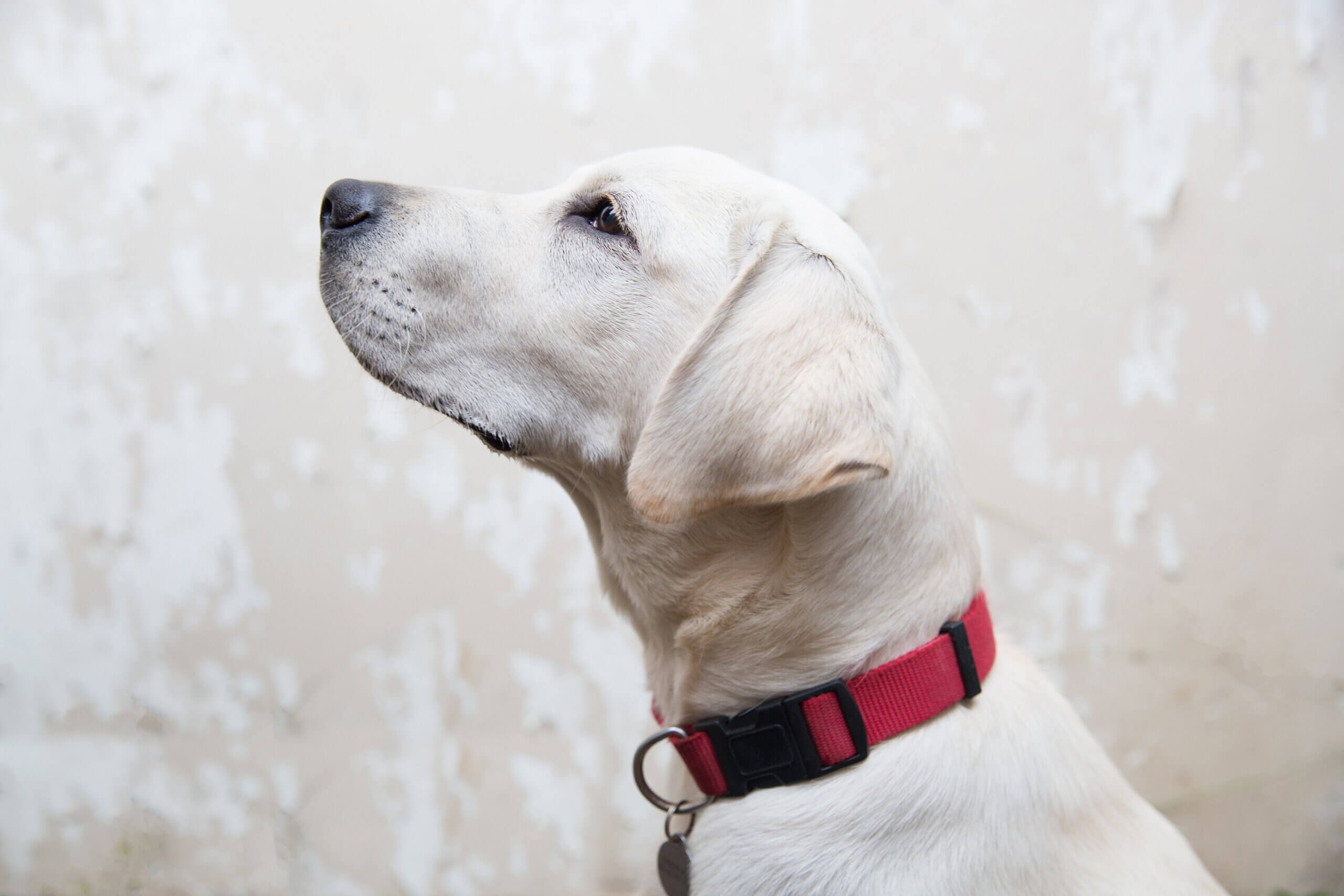
Companion Dogs
Our Companion Dogs provide comfort, companionship and emotional support.
Please note, this program is not currently taking applications.
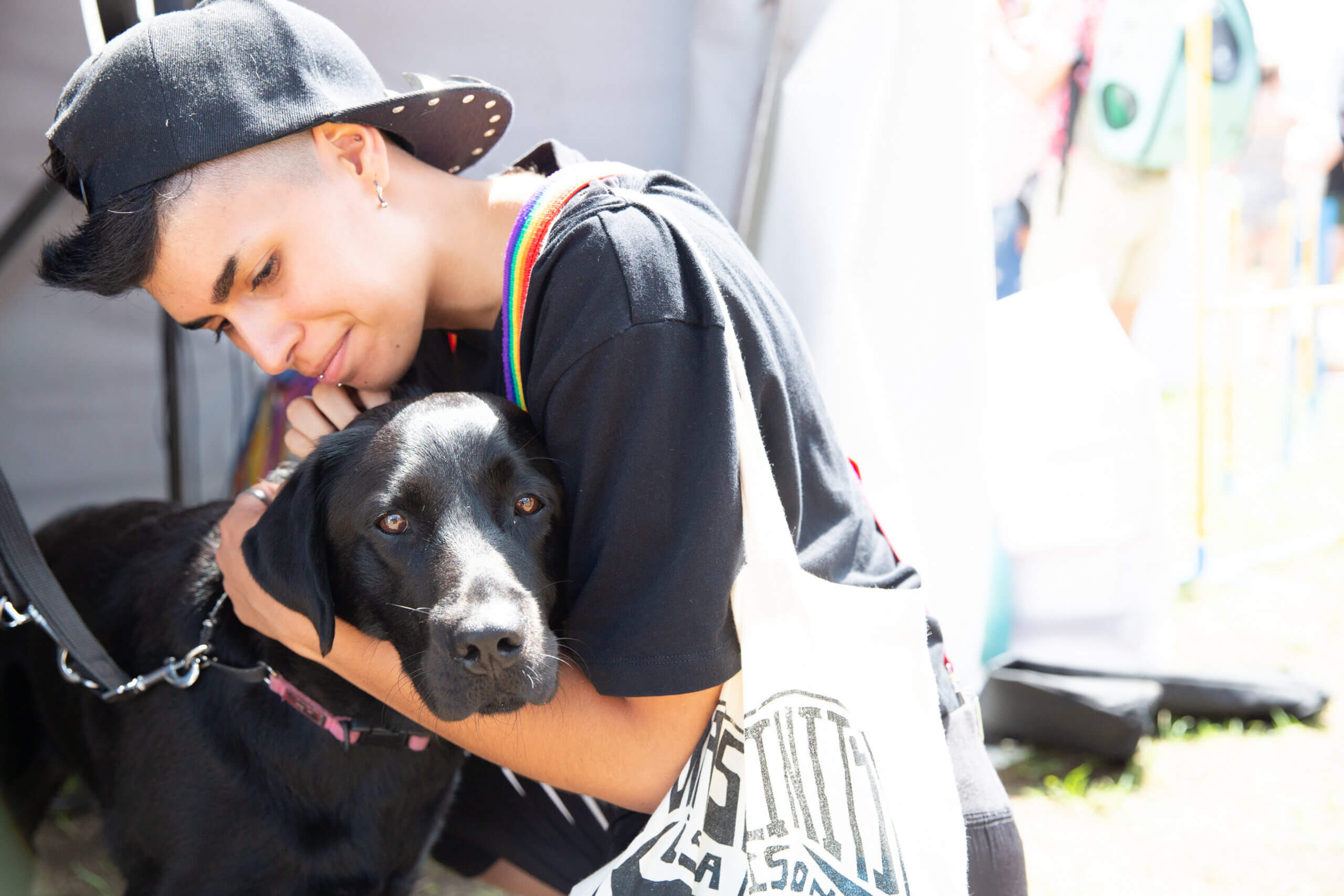
A life-changing companion
Support for you and your family.
Companion Dogs provide comfort, friendship and emotional support to individuals and families.
They are puppies or dogs who didn’t complete their formal training, or who did complete training, but were not able to be matched with a client or facility.
While Companion Dogs don’t have Public Access Rights or perform specialised assistance tasks, they bring stability, company, and help with everyday routines.
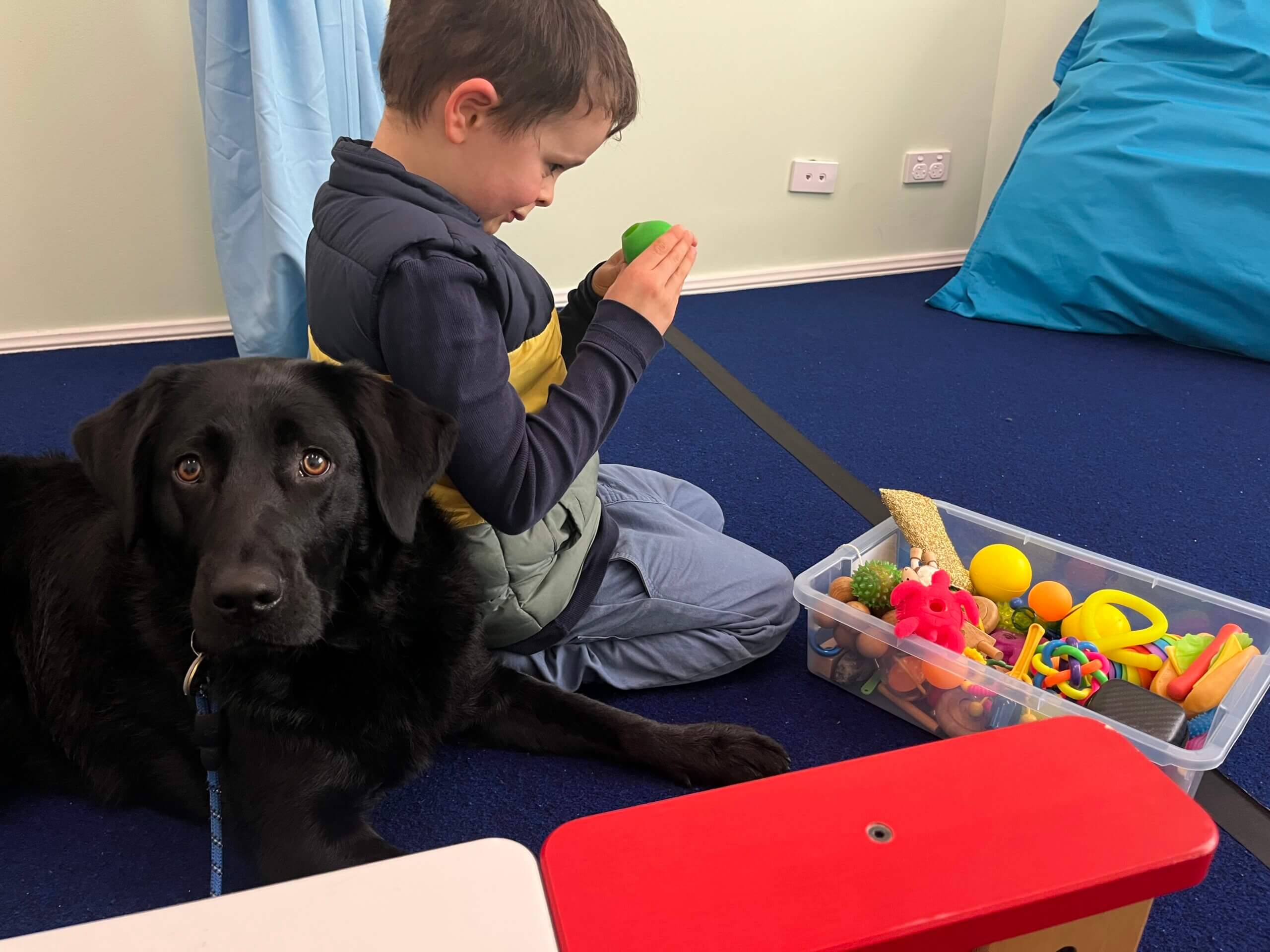
Who would benefit from a Companion Dog?
Who we can help.
- Children or young people seeking companionship, emotional support or preparing for future roles (such as transition to an Assistance or Guide Dog)
- Individuals or families who would enjoy the calming presence of a trained, socially confident dog
- Anyone who values regular interaction, walking/play routines, and the wellbeing benefits of having a dog in their daily life
A companion to suit your needs
Understanding the difference.
Your or your family’s individual needs will help determine the best support for you, whether that is a Guide, Assistance or Companion Dog.
| Qualities | Companion Dog | Assistance Dog | Pet Dog |
|---|---|---|---|
| Specially trained to provide support | X | ||
| Can provide emotional support and companionship | X | X | |
| Has Public Access Rights | X | ||
| Can receive NDIS funding | X | ||
| Suitable for children | X | X | |
| Suitable for adults | X | X | |
| Health and breeding qualities | X | X |
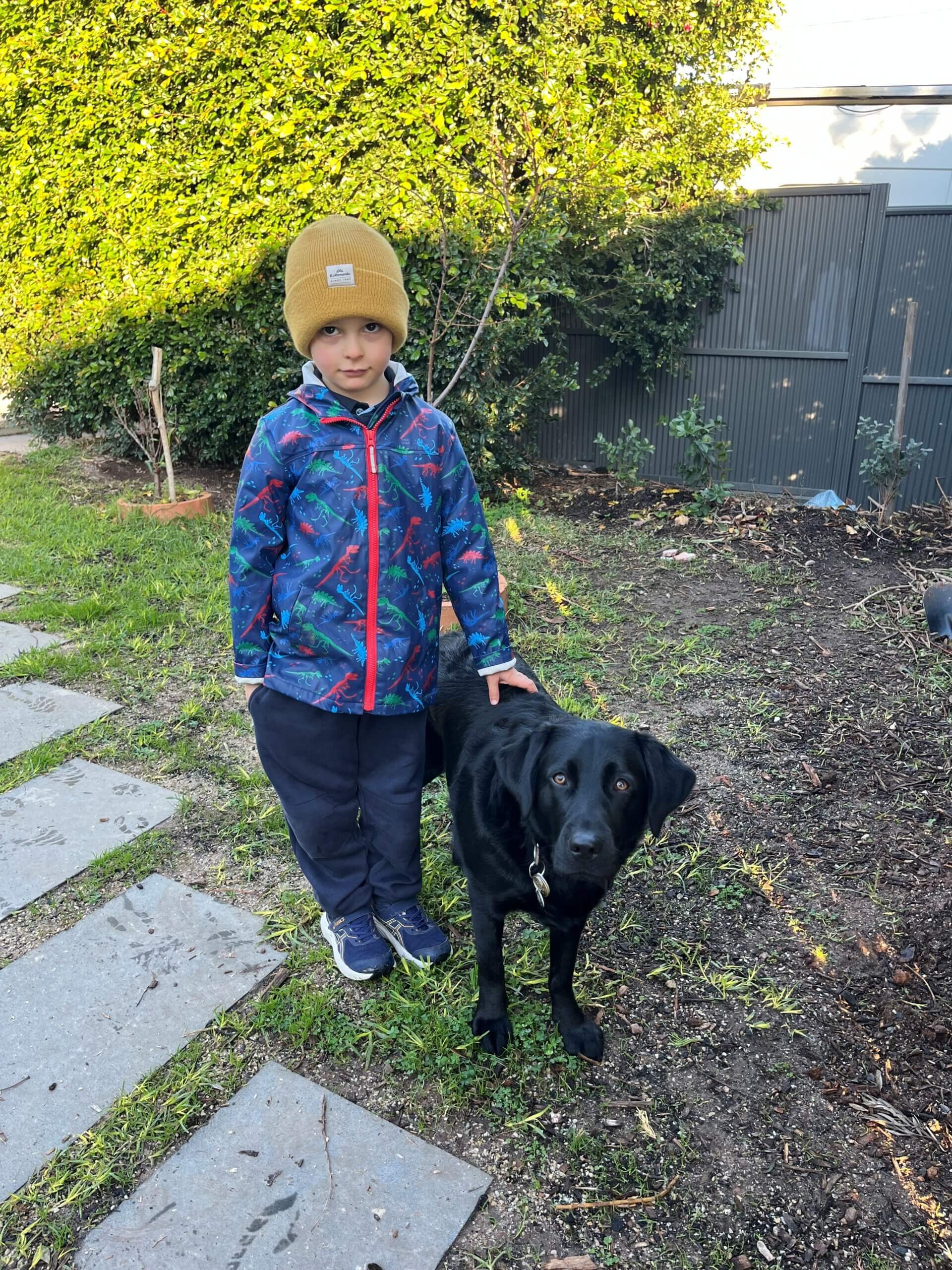
Corporate support
Support for those who need it
Our dogs receive a significant level of training and care before becoming life-changing companions for people in need. Once an individual or family has been matched with a Companion Dog, they receive regular follow-ups over the first 12 months, a three-month supply of dog food, and equipment including a bed, collar, lead and toys.
If you or your business is interested in helping a family in need by sponsoring a Companion Dog, please reach out to our Partnerships team.
Email: partners@guidedogs.org.au
What are the next steps?
Stay up to date.
Our Companion Dog Program is currently at capacity and not accepting new applications.
If you’d like to stay up to date about our programs, please sign up to our newsletter below.
When applications are open, this page will be updated.
Learn more about Companion Dogs
Frequently asked questions.
A Companion Dog provides comfort, companionship and emotional support.
Companion Dogs can support children and adults who may not be eligible for an Assistance Dog through NDIS or other funding channels.
Companion Dogs can also be placed with children aged under 18 who have low vision or blindness and are not yet eligible for a Guide Dog. This can give them early experience to prepare them for having a Guide Dog as an adult.
A Companion Dog is not a Guide, Assistance or Facility Dog, they cannot provide support for specific health issues, and they do not have Public Access Rights.
If you feel you might be a good candidate to receive a dog from our Companion Dog Program, please complete the application form.
Depending on their age, our Companion Dogs will have received different levels of training for basic obedience, home manners, walking on lead, and more advanced skills. Some dogs may have also been exposed to mobility aids or equipment. Companion Dogs who have retired early from working life will have a higher level of training compared to a younger dog in the puppy raising program. Our team will assess your needs and place the most suitable dog for you.
Although Companion Dogs are matched to Clients based on carefully considered criteria, they are not trained in behaviours to specifically assist with alleviating health concerns and so cannot be considered an Assistance Animal.
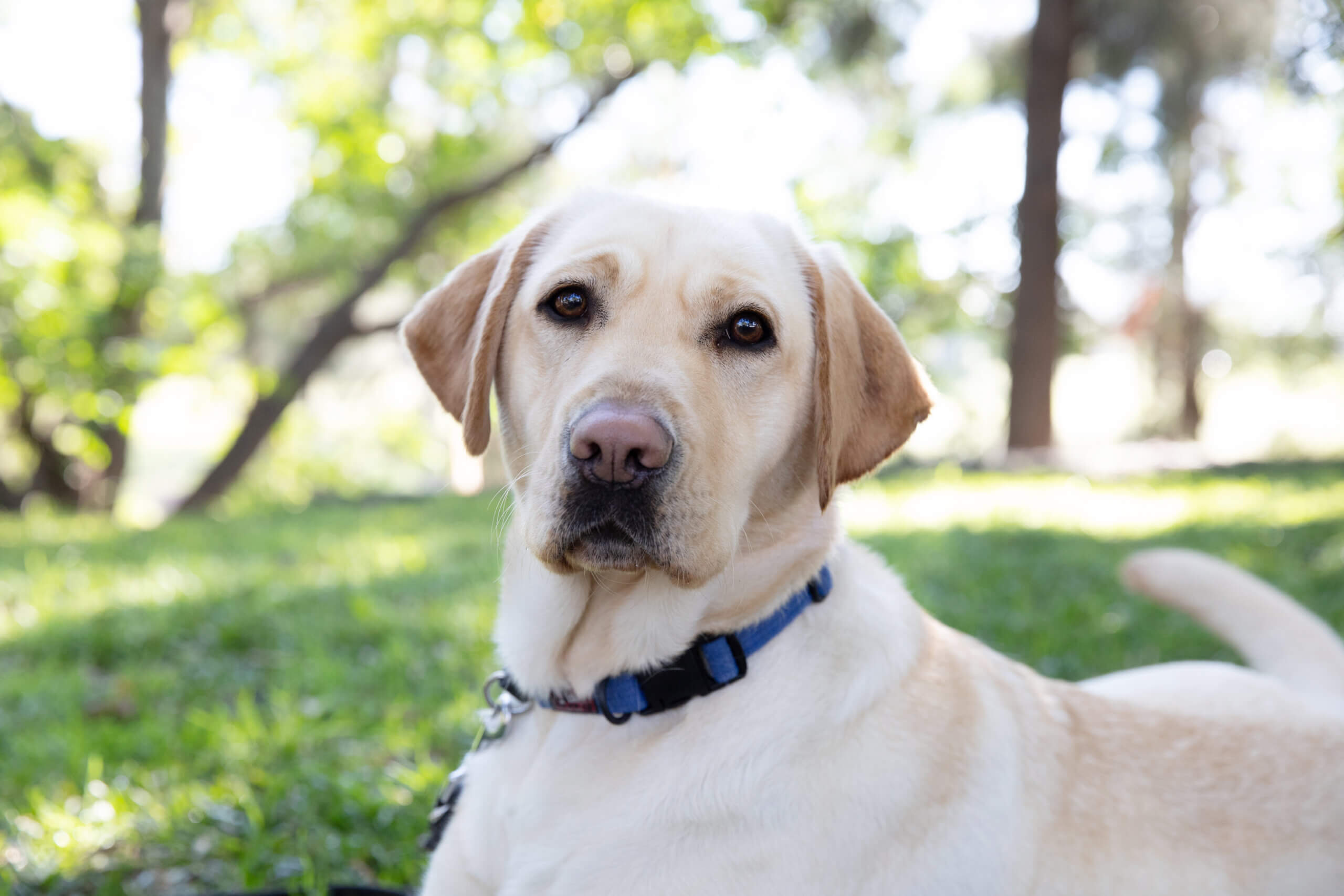
Our Companion Dogs are Labradors or Labradors cross Golden Retrievers.
Dogs in the Companion Dog Program may be aged 8-18 months.
Companion Dogs can bring ongoing emotional support, friendship, happiness and calming stability to your life.
Companion Dogs are reclassified dogs; that is, puppies with unique personalities or other traits that mean they haven’t fully graduated from their Guide Dog classes. They may also be working dogs who have retired early.
With their calming presence and unique training, Companion Dogs can bring a sense of stability and friendship to both individuals and families. They also offer the benefit of encouraging regular exercise through walking and playing.
Companion Dogs are not considered assistance animals and therefore do not have Public Access Rights.
Should you wish to take your Therapy Dog into public places—like medical appointments, school grounds, cafés, or other similar places—you will need to seek permission from each individual establishment which may or may not grant access.
Our Companion Dogs have excellent breeding and a high level of training. When you receive a Companion Dog, you will also receive six follow-up visits from Guide Dogs SA/NT over the first 12 months, a three-month food supply and equipment including a bed, collar, lead and toys. The cost of a Companion Dog is covered by Guide Dogs SA/NT’s charitable work and corporate partnerships, so there is no upfront cost to you.
Once you receive a Companion Dog, you will be responsible for the ongoing costs, including vet care, food, and pet insurance.
The NDIS may fund assistance animals. However, they don’t fund pets or companion animals as they are not an NDIS support.
Upon receiving a Companion Dog, you will be given a three-month supply of BlackHawk dog food, and six follow-up visits over 12 months.