Low Vision Resources
Learn about low vision, blindness and neurological vision conditions and discover practical information to help you or someone you care about.
Understanding vision loss
Low vision and blindness
Vision plays an important role in how we move through the world, communicate with others and complete everyday tasks. When vision changes, it can affect independence, confidence and participation in daily life.
Low vision and blindness can occur at any stage of life. Some people are born with low vision, while others experience gradual vision loss due to an eye condition or a sudden change following illness, injury or a neurological event.
While every person’s experience is different, the right support, strategies and assistive technology can make a significant difference to maintaining independence and achieving personal goals.
We support people with a wide range of eye conditions
Eye conditions.
There are many different eye conditions that can cause low vision or blindness, and no two people experience vision loss in the same way.
Guide Dogs SA/NT supports people living with a wide range of conditions, including:
- Age-related macular degeneration
- Glaucoma
- Cortical Vision Impairment (CVI)
- Ocular albinism
- Retinitis pigmentosa and other inherited eye conditions
- Vision changes following stroke or brain injury
Learn more about common eye conditions, how they affect vision and the support available.
Understanding neurological vision changes
Visual inattention.
Visual inattention is a neurological vision condition that can occur following a stroke, acquired brain injury or other neurological event.
Rather than affecting the eyes themselves, visual inattention affects how the brain processes visual information, making it difficult to notice or respond to objects or people on one side of the environment.
Learn more about visual inattention, its causes and practical strategies for everyday life.
Understanding vision field loss
Visual field loss
Visual field loss occurs when damage to the visual pathways reduces the area you are able to see.
It can affect mobility, reading, driving and many everyday activities, and is commonly associated with stroke and acquired brain injury.
Learn about the different types of visual field loss, their symptoms and the support available.
Living confidently after a neurological event
Homonymous hemianopia
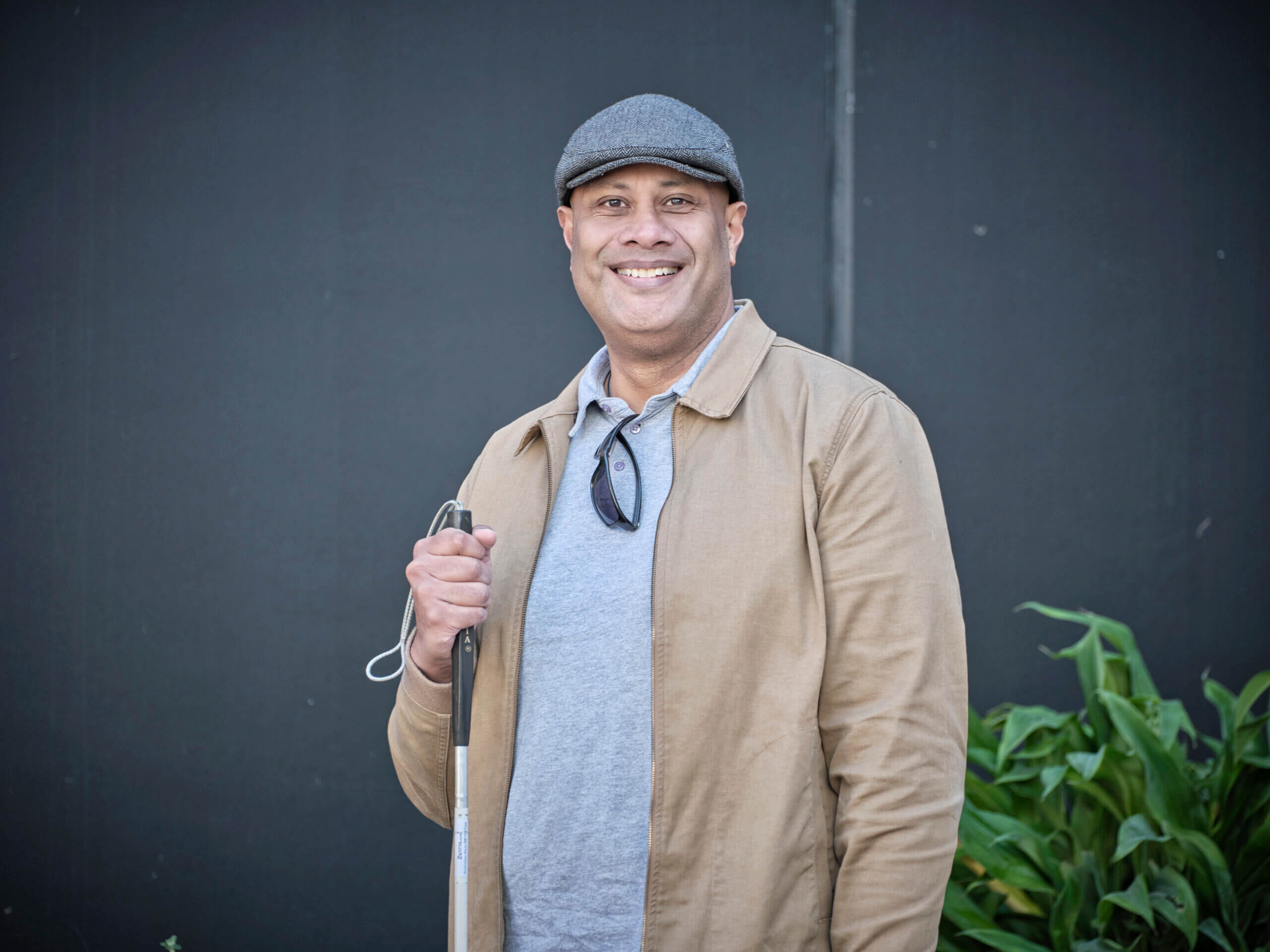
Homonymous hemianopia is a type of visual field loss caused by damage to the brain following a stroke, brain injury or other neurological condition.
Understanding the condition and learning practical strategies can help improve safety, confidence and independence in everyday life.
Safe and respectful guiding techniques
Guiding someone with low vision or blindness.
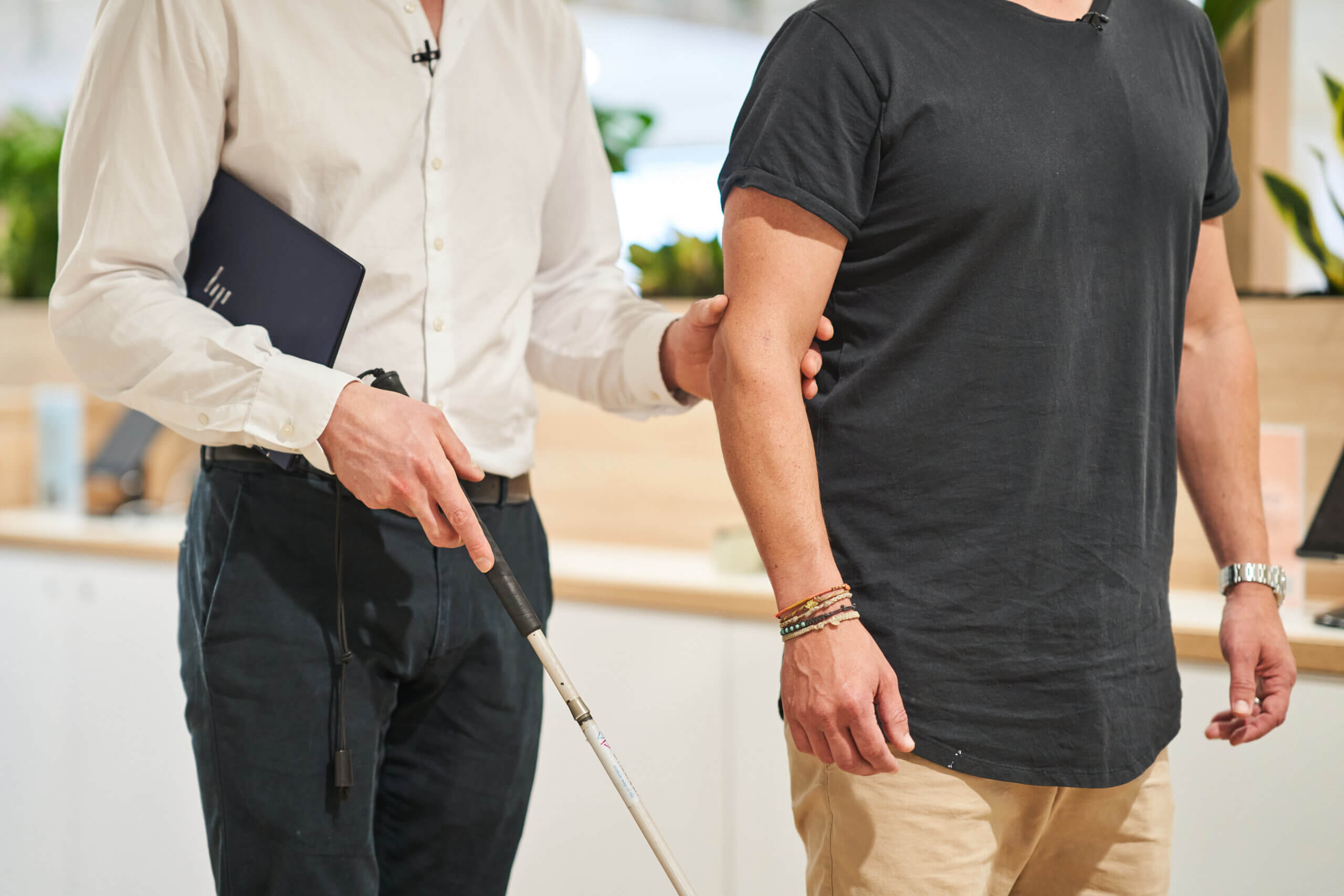
There are times when a person with low vision or blindness may appreciate assistance navigating unfamiliar or challenging environments.
Learning the correct guiding techniques helps ensure support is safe, respectful and comfortable for everyone involved. From walking together and using stairs to getting in and out of a car, simple techniques can make a big difference.
Specialist services to support your goals
How Guide Dogs SA/NT can help.
Whether you’re experiencing a recent change in vision, living with long-term low vision or supporting someone else, Guide Dogs SA/NT offers specialist services tailored to your goals.
Our team provides Low Vision Assessments, Occupational Therapy, Orientation and Mobility Support, Neurological Vision Services, Assistive Technology, Children and Teen Services, Social and Educational Groups, and more.
No matter your age or level of vision, we’re here to help you build confidence, maintain your independence and achieve your goals.