
Request a service Donate

What is a low vision assessment?

Understanding your vision and support needs

If you’re living with low vision or blindness, a Low Vision Assessment can provide valuable insights into how your vision affects everyday activities, to help identify strategies to support your goals.

Our Low Vision Specialists assess your functional vision and provide practical recommendations tailored to your lifestyle, environment and level of vision.

Assessments may include:

  • Education about eye conditions and techniques to maximise functional vision
  • Functional vision assessments for people of all ages, including pre-verbal children
  • Recommendations to support allied health practitioners and other service providers
  • Advice on visual aids, including optical and electronic magnification
  • Guidance on lighting, contrast and glare management at home, school or work
  • Training in techniques that help maximise remaining vision, such as eccentric viewing

The information gathered during your assessment helps us identify the most appropriate supports, services and equipment for your needs.
Request Support

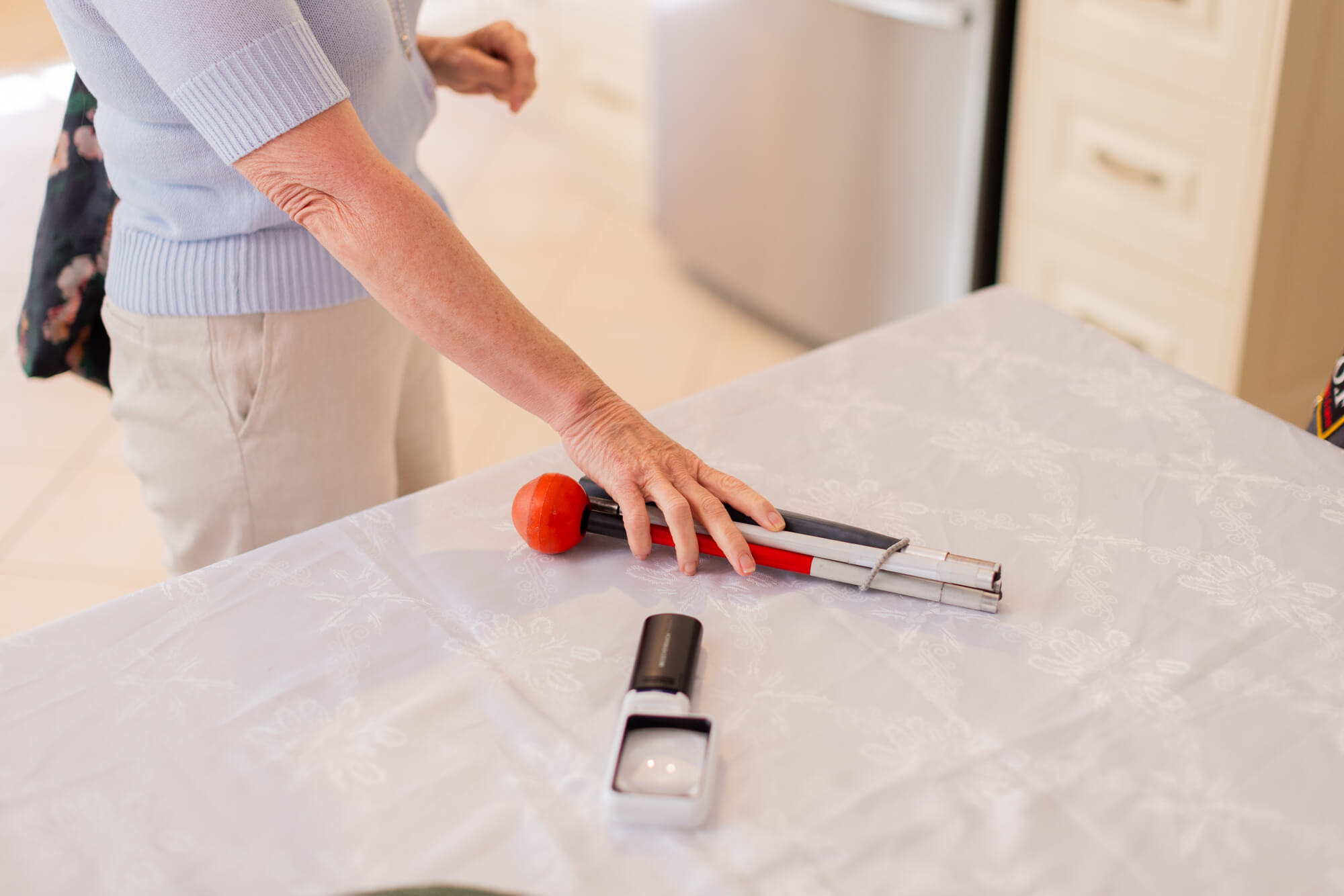
A person’s hand reaches for metal tongs with red silicone tips on a white tablecloth, whilst a black and white magnifying glass rests nearby. A kitchen setting is visible in the background.

Who can benefit

Who are Low Vision Assessments for?

Low Vision Assessments are available to people of all ages and levels of vision loss, including:

  • People experiencing a recent change in vision
  • People living with long-term low vision or blindness
  • Children and young people working towards developmental goals
  • Individuals seeking advice on technology, equipment or environmental modifications

Whether you’re newly diagnosed or have been living with vision loss for many years, an assessment can help identify strategies to support your independence and wellbeing.

Request Support

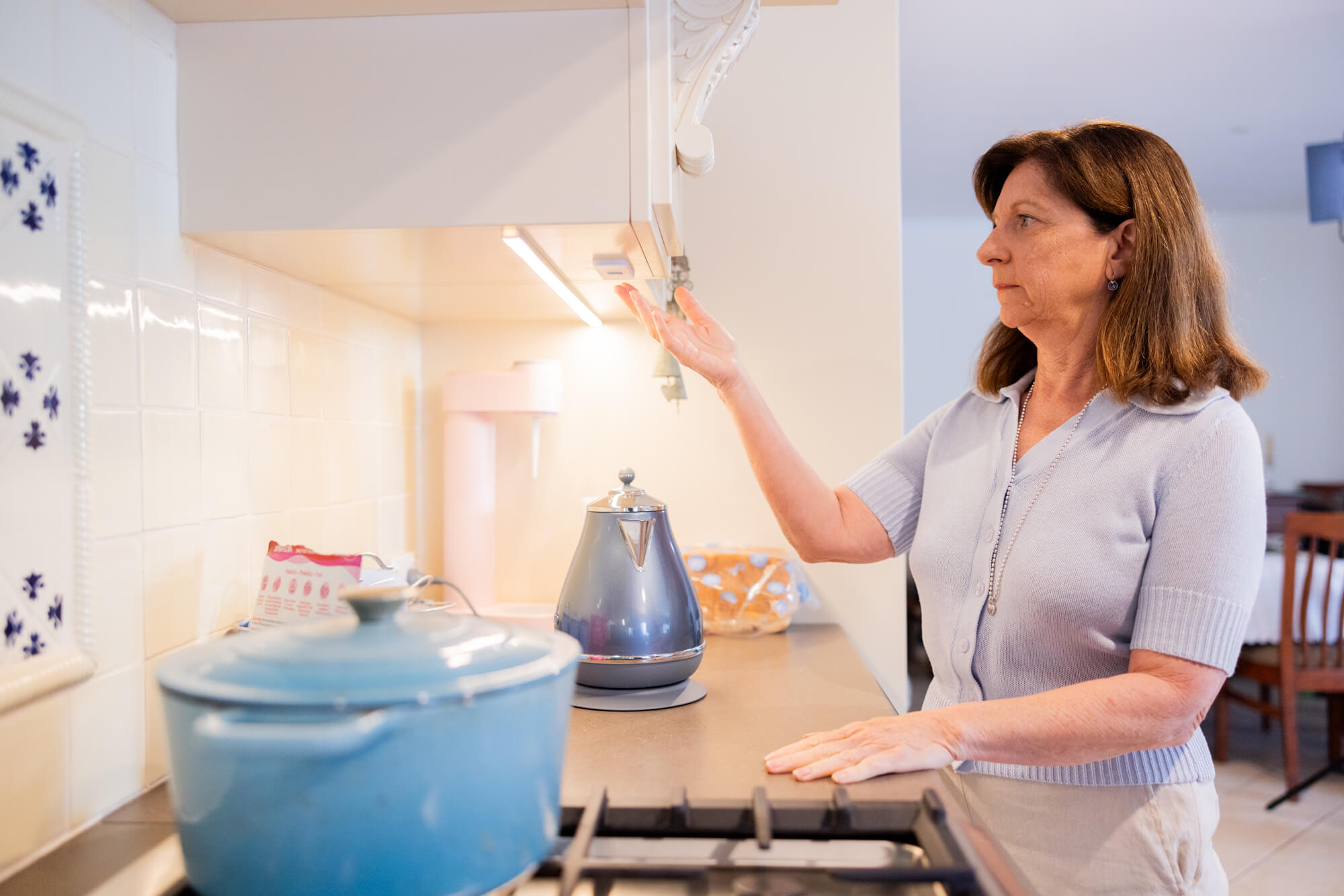
A woman in a light blue jumper turns on an under-cabinet light in a kitchen; a blue pot is on the hob and a sleek, modern kettle sits on the worktop.

Recommendations and support

Helping you make the most of your vison

Following your assessment, our team may recommend a range of assistive technology, adaptive aids and environmental modifications to support everyday activities at home, school, work and in the community.

Recommendations may include:

  • Magnifiers
  • Large print and tactile daily living aids
  • Talking clocks and watches
  • Large print playing cards
  • Needle threaders
  • Liquid level indicators
  • Accessible technology and digital tools

Where appropriate, we can also connect you with other Guide Dogs services and supports that align with your goals.

Learn more about Assistive Technology

Funding options

What funding is available?

You may be eligible or already receiving funding from a range of sources including, but not limited to:

  • NDIS
  • My Aged Care
  • Children and Students with Disability (Department for Education)
  • Department of Veterans’ Affair

Support for some of our services is also available through agreements with other support agencies, or through Guide Dogs SA/NT’s charitable programs.

Learn more

Get started.

Make an enquiry.

You don’t need to wait for a diagnosis to contact Guide Dogs SA/NT.

If vision loss is impacting your daily life, reach out to our Client Support Team, who will help you take the next steps in your journey. You can contact the team:

Service request form.

Referrals are welcomed from individuals, family members and health professionals.