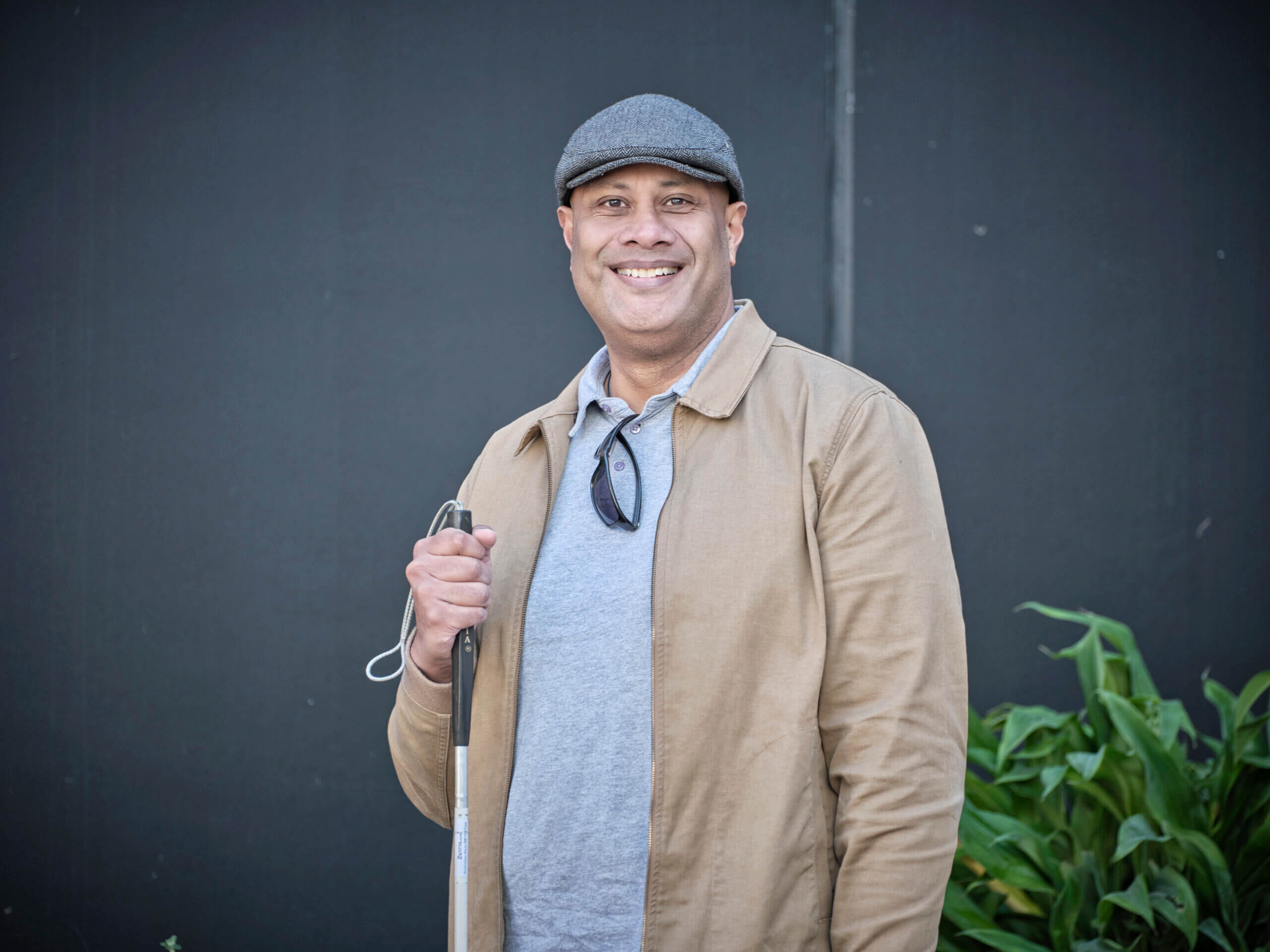
Homonymous hemianopia.
Learn about homonymous hemianopia, how it affects vision and the practical strategies and support available to help you live independently.
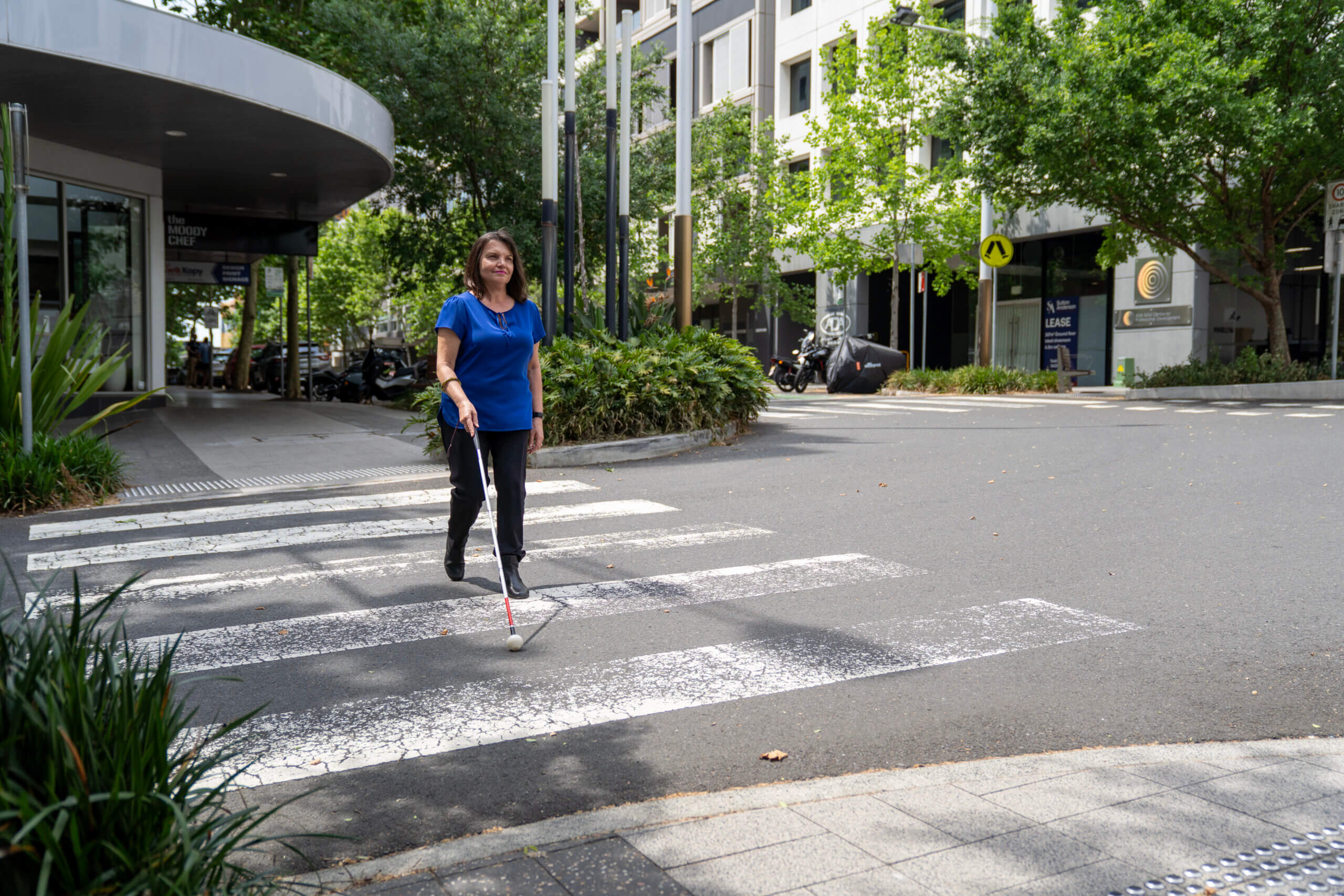
Understanding the condition
What is homonymous hemianopia?
Homonymous hemianopia is a neurological vision condition that commonly occurs following a stroke, brain injury or other neurological event.
Unlike eye conditions such as glaucoma or cataracts, homonymous hemianopia is caused by damage to the brain’s visual processing pathways rather than the eyes themselves. Although your eyes may be healthy, your brain is unable to process visual information from part of your visual field.
The condition affects the same side of the visual field in both eyes, making everyday tasks such as reading, walking and navigating unfamiliar environments more challenging.
Understanding the biology
How does it affect vision?
Each eye sees both the left and right sides of your visual world. The information captured by your eyes travels through the optic nerves to the opposite side of the brain, where it is processed.
When one side of the brain is damaged, the corresponding half of the visual field in both eyes may be lost. For example, damage to the right side of the brain can result in loss of the left visual field in both eyes.
The extent of vision loss varies depending on the location and severity of the brain injury. Some people experience complete loss of one side of their visual field, while others experience partial loss or related conditions such as quadrantanopia.
Recognising the changes
Common signs and symptoms
Many people are unaware they’ve experienced a change in their vision, particularly in the early stages following a stroke or brain injury.
Common signs of homonymous hemianopia may include:
- Frequently bumping into objects or people on one side
- Difficulty navigating busy or unfamiliar environments
- Missing words or lines while reading
- Feeling anxious or less confident when leaving home
- Becoming overwhelmed in crowded places
- Difficulty locating objects on one side
- Reduced confidence with mobility and everyday tasks
Family members, carers and health professionals often notice these changes before the person experiencing them. Understanding the condition is an important first step towards developing strategies that improve safety and independence.
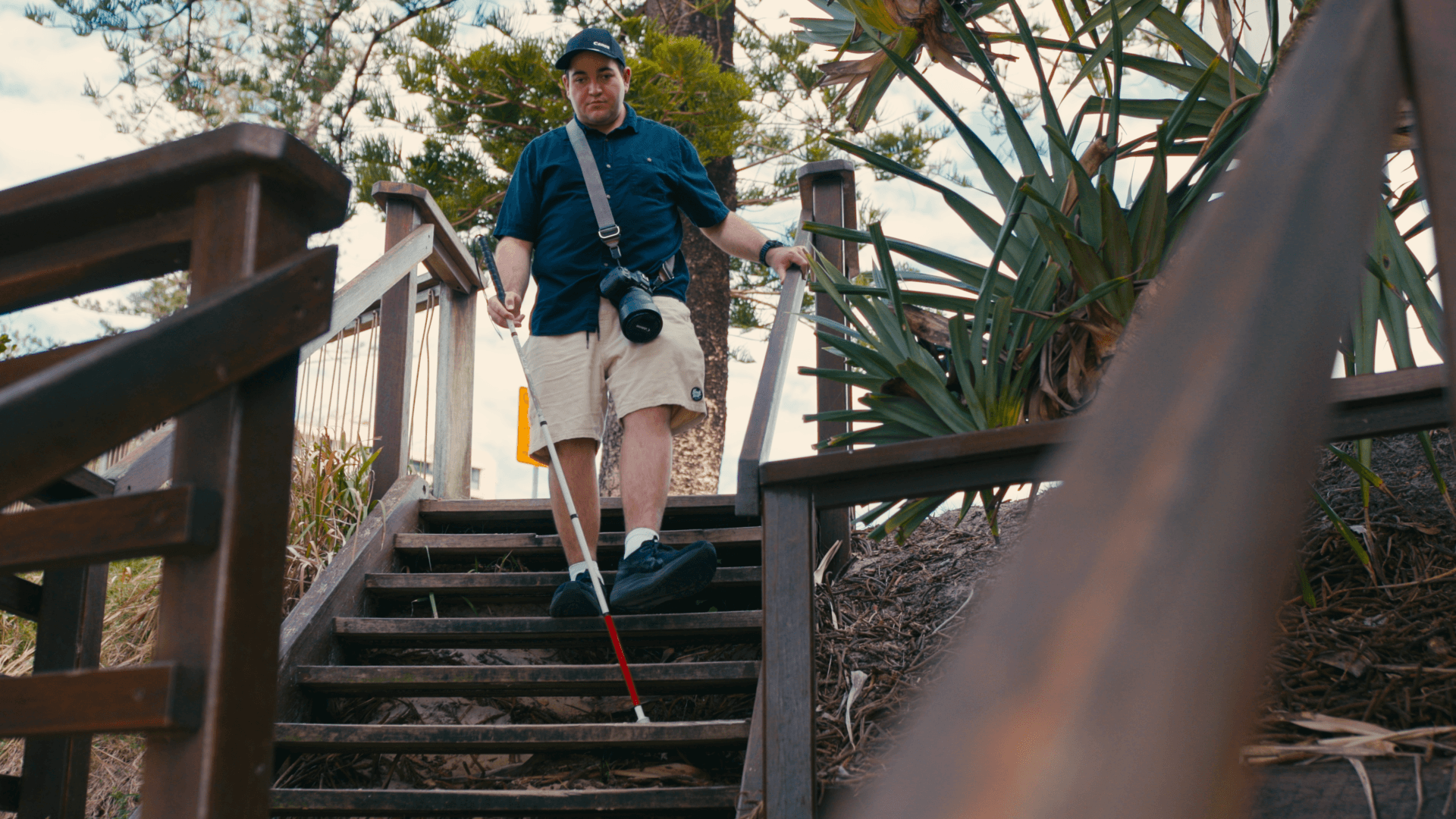
Practical strategies and support
Living well with homonymous hemianopia.
While homonymous hemianopia cannot always be reversed, many people learn practical strategies that help them adapt and continue living independently.
Support may include:
- Learning scanning techniques to increase awareness of your surroundings
- Orientation and Mobility Support to improve safe travel
- Occupational Therapy to develop everyday living skills
- Assistive technology and environmental modifications
- Education for family members and carers
With the right support, many people regain confidence and continue participating in work, study, hobbies and community life.
Specialist support tailored to you
How Guide Dogs SA/NT can help
Guide Dogs SA/NT provides specialist services for people experiencing vision changes following stroke, acquired brain injury and other neurological conditions.
Our experienced Occupational Therapists, Orientation and Mobility Instructors and Low Vision Specialists work with you to understand your goals and develop personalised strategies that support your independence at home and in the community.
Whether you’ve recently experienced a neurological event or have been living with homonymous hemianopia for some time, we’re here to help you build confidence and achieve your goals.