
Visual Field Loss
Learn about visual field loss, how it can affect everyday life and the specialist support available to help you regain confidence and independence.
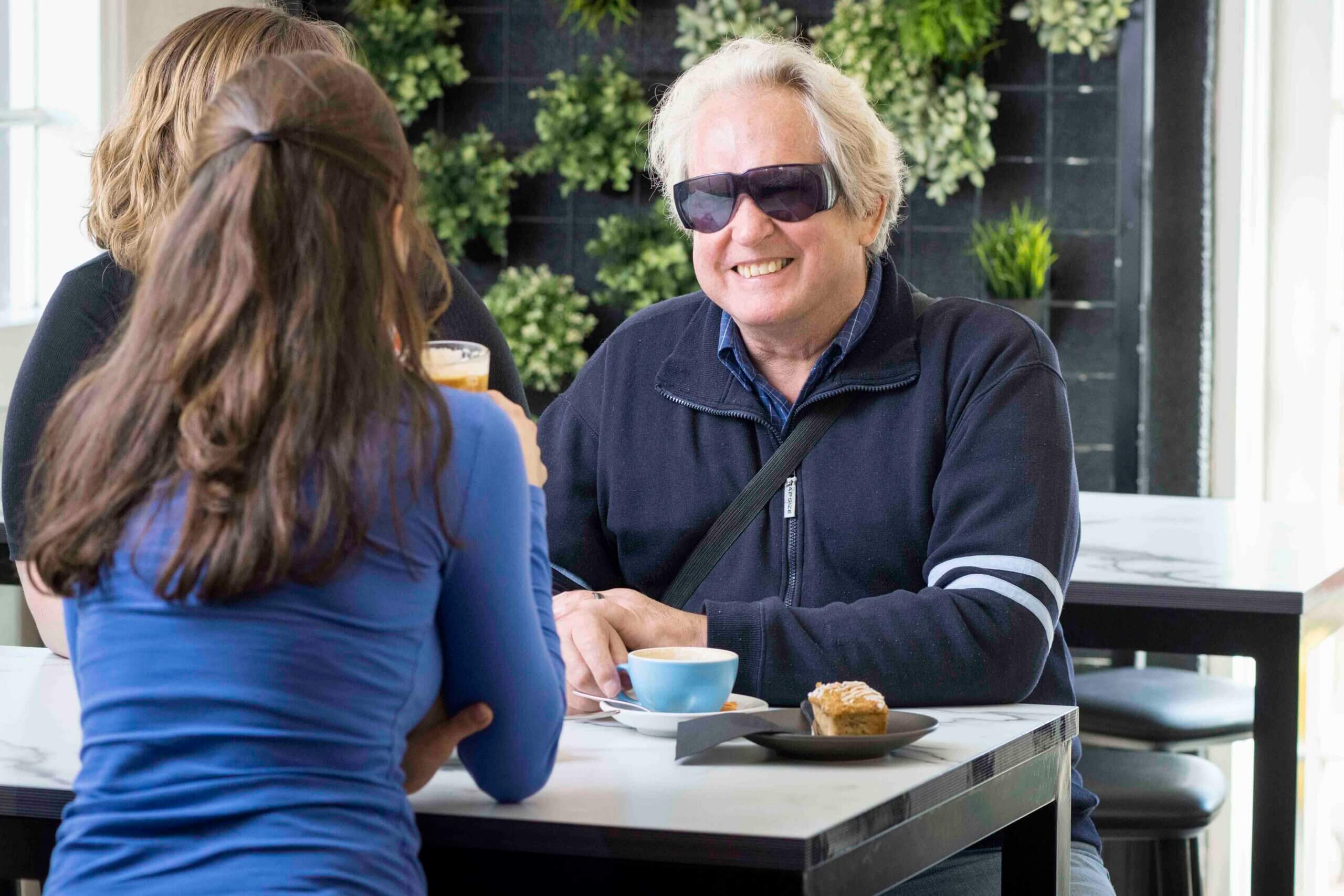
Understanding the condition
What is visual field loss?
Visual field loss is a neurological vision condition that can occur following a stroke, acquired brain injury (ABI) or other neurological event.
It happens when damage to the brain or visual pathways affects the information your brain receives from your eyes. While your eyes may continue to function normally, part of your visual field may be missing or reduced.
The type and extent of visual field loss varies from person to person, depending on the location and severity of the injury.
Recognising the signs
How does it affect everyday life?
Some people immediately notice a change in their vision, while others may not realise anything has changed until they begin experiencing difficulties with everyday tasks.
Common signs of visual field loss include:
- Missing people or objects on one side
- Bumping into furniture, walls or obstacles
- Difficulty reading or finding information on a page
- Finding it harder to cross roads safely or monitor traffic
- Feeling less confident when travelling independently
- Becoming overwhelmed or anxious in busy environments
Specialist support tailored to you
How Guide Dogs SA/NT can help
Our Neurological Vision Services are designed to help people adapt to changes in vision following a neurological event.
Following a specialist assessment, we’ll work with you to understand how your vision has been affected and develop practical strategies tailored to your goals.
Support may include:
- Low Vision Assessments
- Occupational Therapy
- Orientation and Mobility Support
- Assistive Technology recommendations and training
- Education for family members and carers
Depending on your needs, services can be delivered in hospital, at home or within the community.