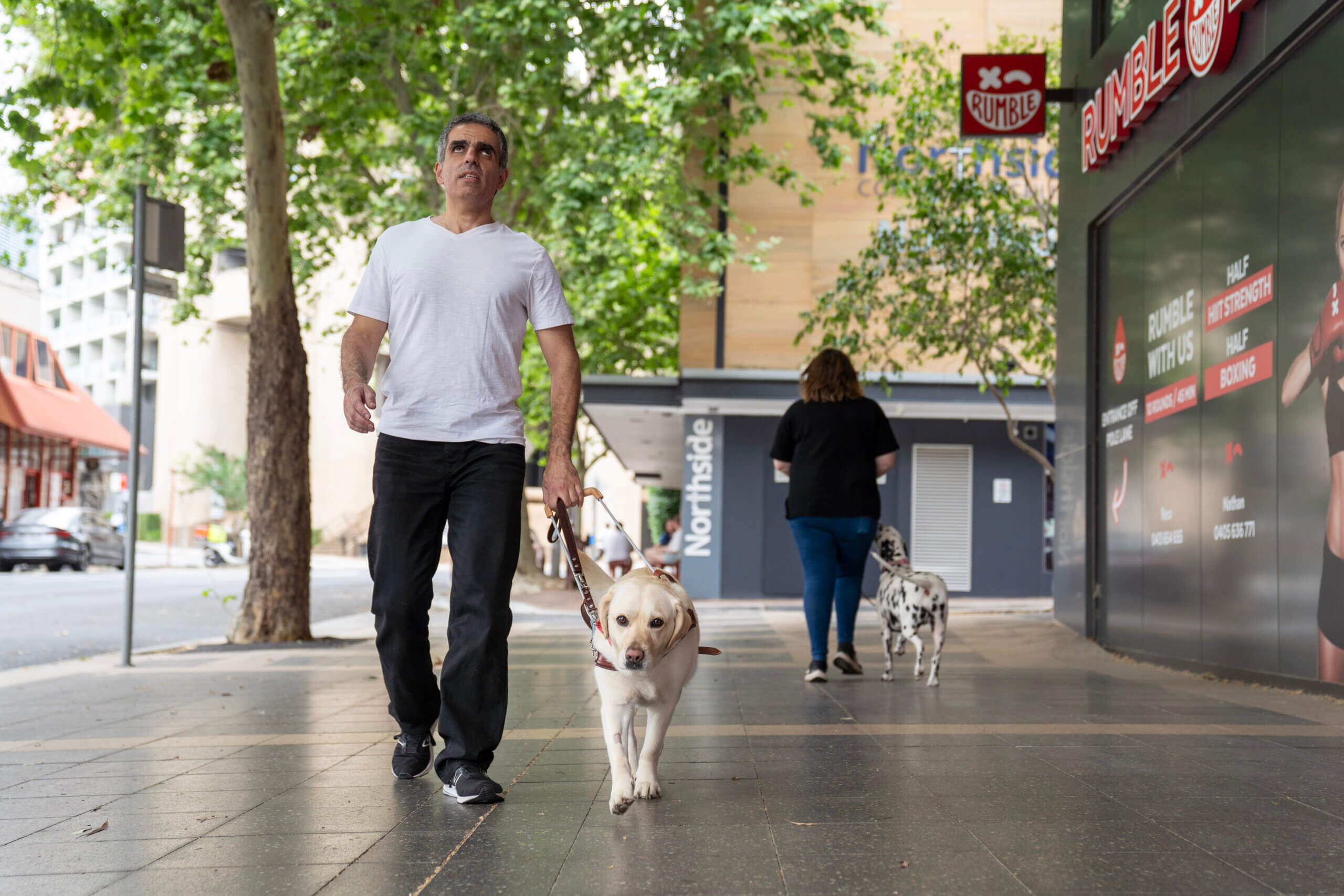
Visual inattention
Learn about visual inattention, how it can affect everyday life and the specialist support available.
Understanding the condition
What is visual inattention?
Visual inattention is a neurological vision condition that can occur following a stroke, acquired brain injury (ABI) or other neurological event.
Unlike an eye condition, visual inattention is caused by changes in the way the brain processes visual information. It can make it difficult to notice or respond to objects, people or movement on one side of your environment, even though your eyesight may otherwise be unaffected.
The condition often becomes more noticeable when you’re tired, distracted or in busy environments where there is a lot of visual information to process.
Recognising the signs
How does it affect everyday life?
Many people with visual inattention are unaware they have the condition, making it difficult to understand why everyday tasks suddenly feel more challenging.
Common signs of visual inattention include:
- Frequently bumping into objects or people on one side
- Missing items on a table, bench or shelf
- Difficulty navigating busy or unfamiliar environments
- Feeling less confident crossing roads or moving through crowds
- Becoming overwhelmed when there is a lot to see or concentrate on
- Finding it harder to complete everyday activities, particularly when tired
Some people experience both visual inattention and visual field loss following a neurological event.
Specialist support tailored to you
How Guide Dogs SA/NT can help
Our Neurological Vision Services are designed to help you understand how visual inattention affects your daily life and develop practical strategies that support your independence.
Following a specialist assessment, we’ll work with you to identify your goals and tailor support to your individual needs.
Support may include:
- Low Vision Assessments
- Occupational Therapy
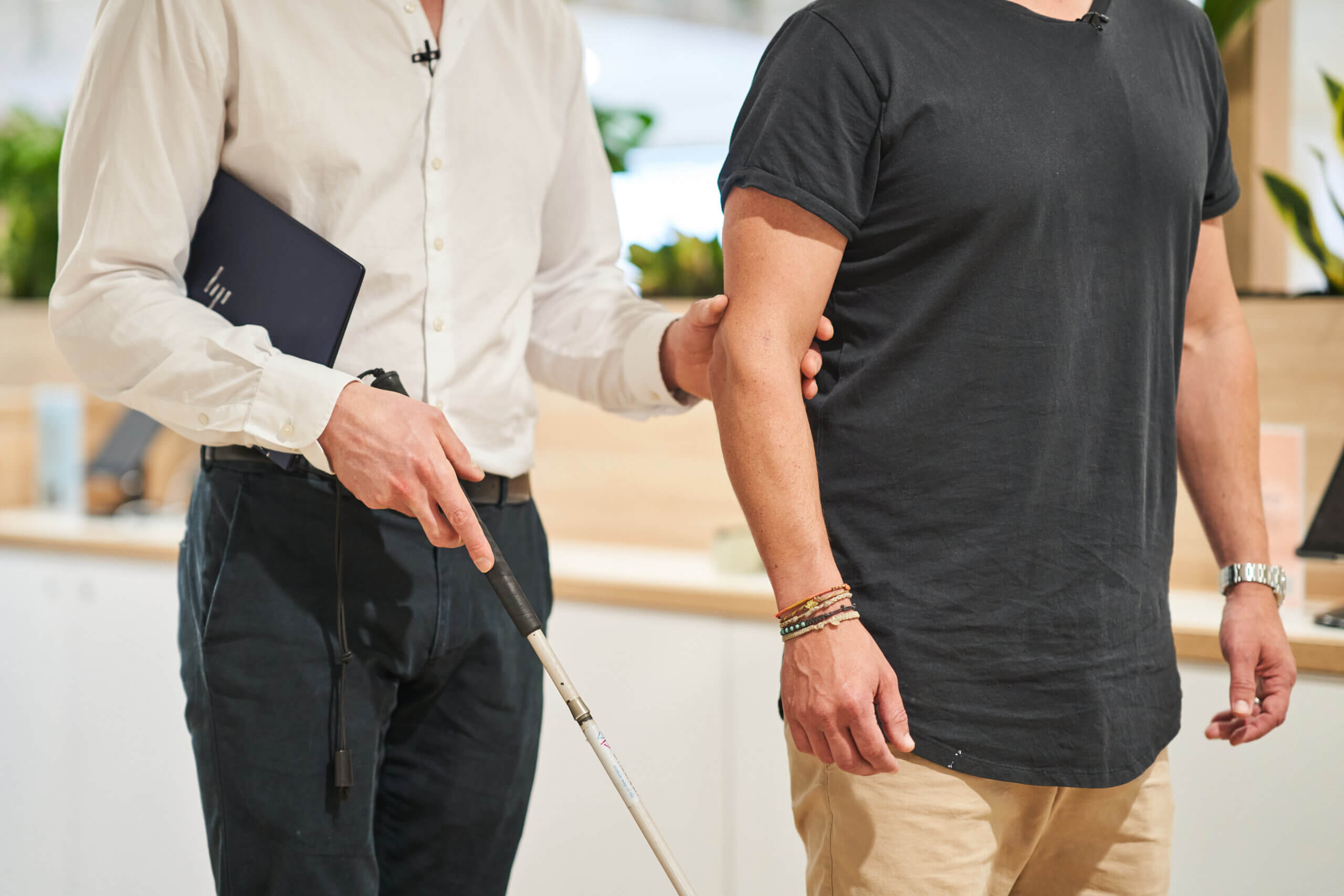
- Orientation and Mobility Support
- Assistive Technology recommendations and training
- Education for family members and carers
Depending on your needs, services can be delivered in hospital, at home or within the community.